Computing Hardware Comparison: Traditional High-Power Devices vs. INIBOX Computing Terminal
In today’s digital computing and blockchain infrastructure landscape, many participants are exploring ways to contribute computing resources without committing to large-scale industrial investments. As hardware efficiency becomes increasingly important, compact and energy-conscious computing devices are attracting growing interest.
One such solution gaining attention is INIBOX, a specialized computing terminal designed to offer accessible participation alongside controlled operating requirements. The following overview presents a practical comparison between traditional large-scale computing equipment and the INIBOX model from an operational perspective.
I. Cost Structure Comparison with Large-Scale Computing Equipment
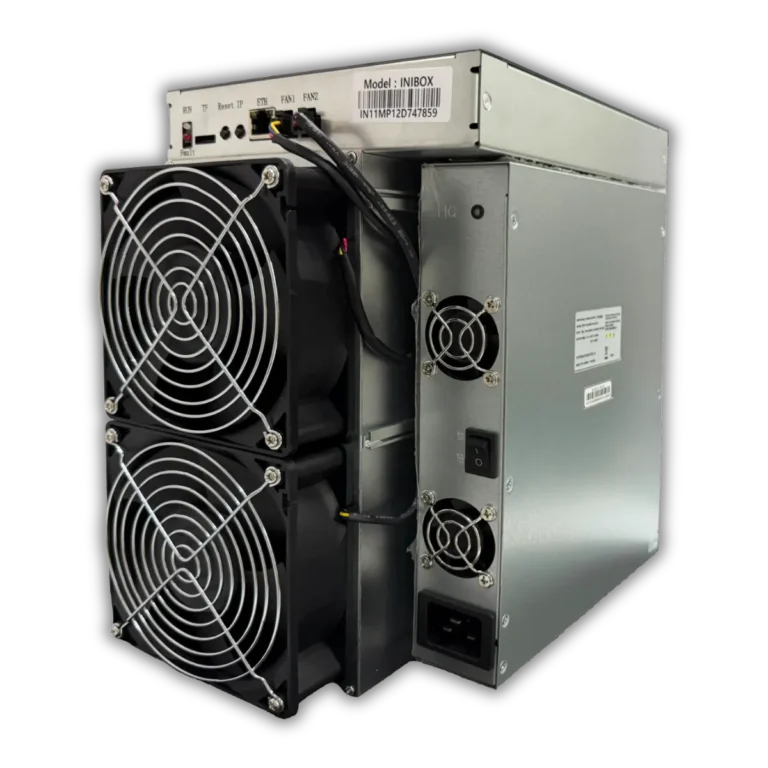
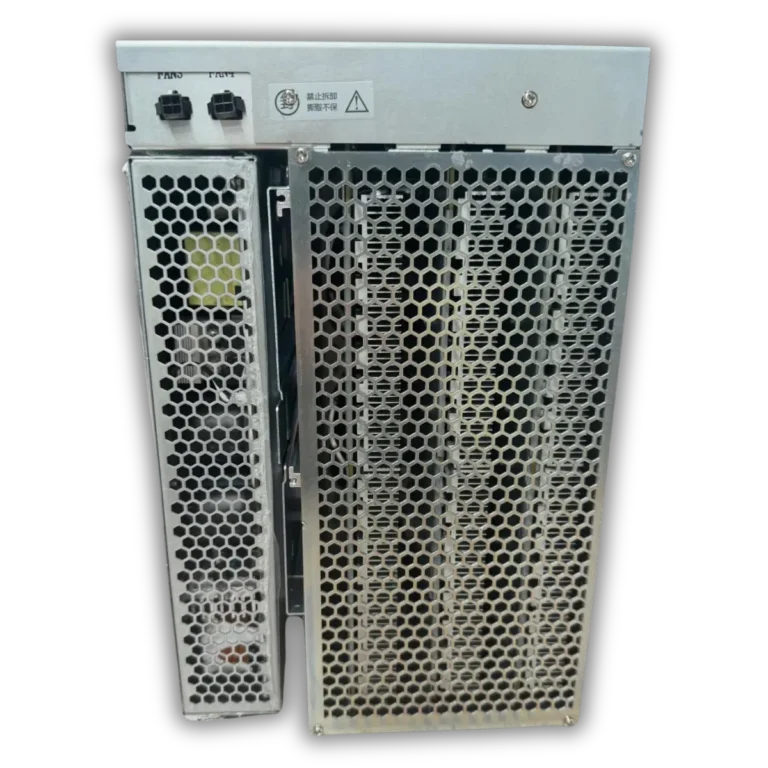
High-performance computing devices commonly used in large mining or infrastructure environments are typically designed for professional facilities with significant power capacity and cooling systems. Examples from widely known Ant series devices illustrate the general positioning of this category:
Antminer Z15 Pro
High-performance hardware delivering substantial computing output with power consumption around 2780W. Devices in this category are typically priced at a premium and are commonly deployed in industrial-scale environments.
Antminer S23 Hyd 3U
Enterprise-oriented equipment designed for large installations, requiring specialized power infrastructure and advanced cooling systems due to high energy demand.
Antminer S19 Pro
A well-known model historically used in Bitcoin mining operations, with considerable energy requirements and performance outcomes that vary depending on electricity pricing and network conditions.
While powerful, these devices often involve:
High upfront investment costs
Significant electricity consumption
Infrastructure requirements such as ventilation, cooling, and dedicated electrical setups
Greater exposure to operational cost fluctuations
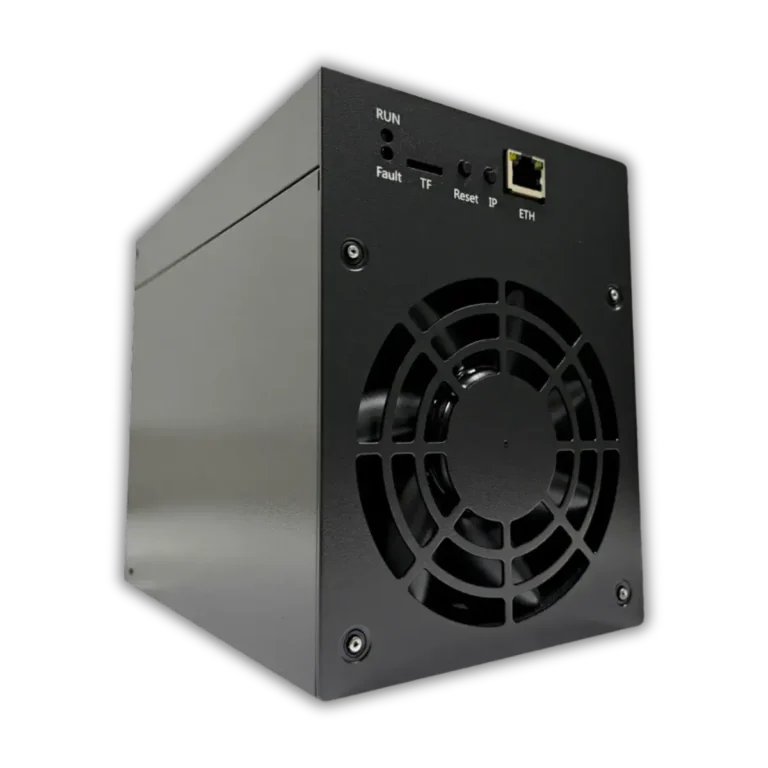
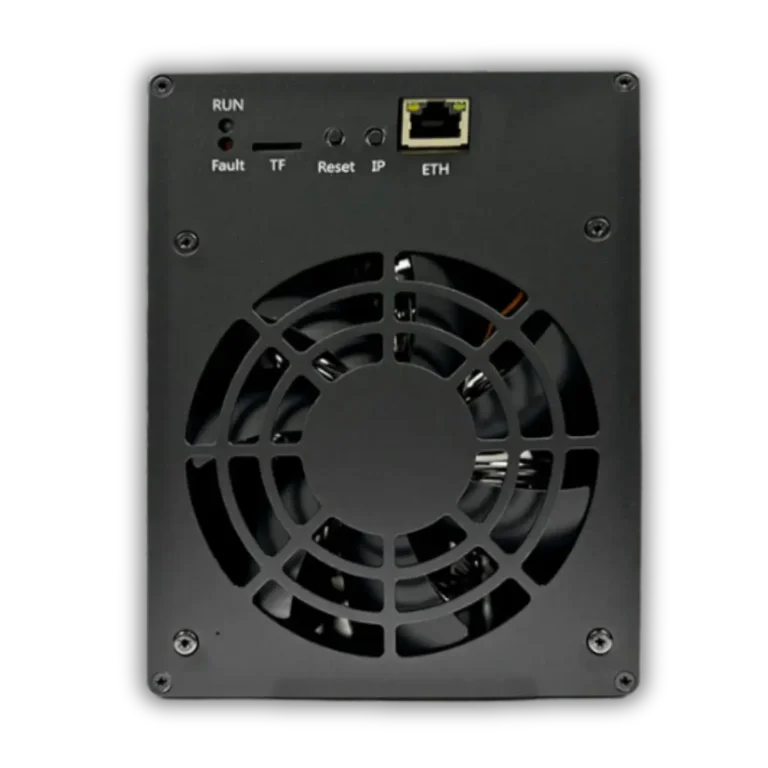
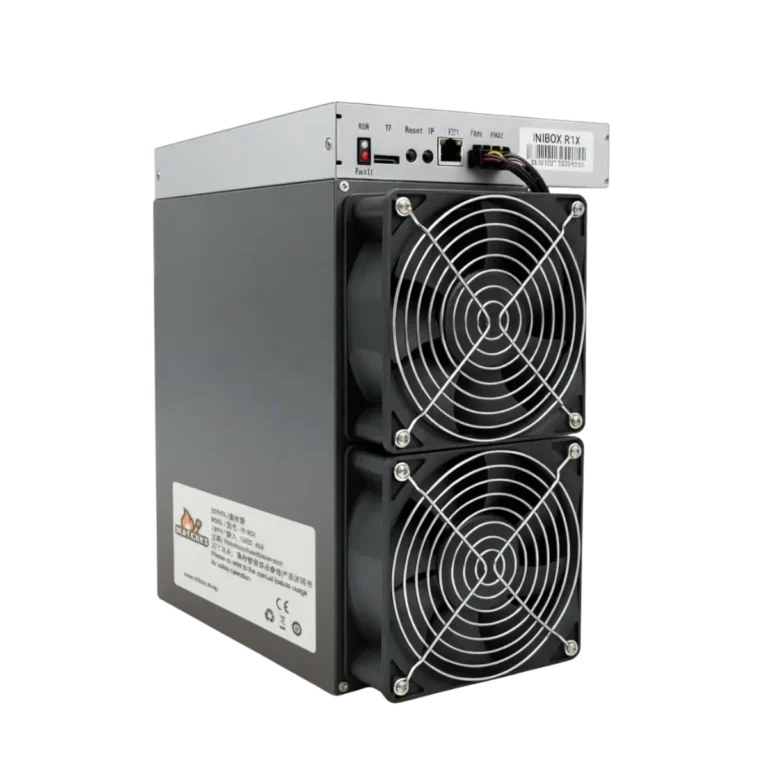
INIBOX Computing Terminal Overview
The INIBOX computing terminal is positioned differently, focusing on efficiency and accessibility rather than industrial-scale output.
General Device Characteristics
Optimized Hashrate: approximately 870Mh/s (±5%)
Power Consumption: about 480W (±5%)
Operating Noise: ≤55 dB
Device Temperature: ≤45°C under normal conditions
Compact Dimensions: 196 × 165 × 125 mm
Designed for smaller deployments and distributed participation environments
Compared with traditional large-scale devices, INIBOX emphasizes lower energy demand and simplified deployment, allowing operation in a wider range of environments without specialized infrastructure.
II. Operational Efficiency and Energy Considerations
Large-scale computing hardware achieves high computational density but typically requires:
Continuous high-capacity electrical supply
Professional cooling solutions
Dedicated operational environments
In contrast, INIBOX operates as a lower-power computing terminal designed for energy-conscious usage. Reduced electricity consumption can help operators better manage ongoing operating expenses, particularly in regions where power costs significantly influence participation decisions.
Because operational outcomes depend on factors such as network participation levels, electricity pricing, and market conditions, performance results may vary. Users should evaluate hardware based on efficiency, stability, and long-term operational suitability rather than short-term expectations.
III. Network Participation Context
The INIChain computing network is currently expanding, with participation levels continuing to evolve. Early-stage networks often allow broader accessibility compared with mature ecosystems dominated by large industrial operators.
As networks grow, competition and computational difficulty typically adjust over time. Participants should therefore view entry timing, hardware efficiency, and operational planning as part of a long-term strategy rather than a guaranteed outcome.
IV. Suitable Use Cases for INIBOX
The INIBOX computing terminal may be appropriate for users seeking:
Entry into computing networks with controlled initial investment
Energy-efficient hardware for continuous operation
Distributed or small-scale node deployment scenarios
Balanced performance relative to power consumption
Rather than replacing industrial hardware, INIBOX is designed to complement evolving participation models by offering an alternative suited to smaller operators and efficiency-focused deployments.
A Practical Alternative for Modern Computing Participation
As computing networks continue to mature, participation models are shifting away from purely large-scale infrastructure toward more flexible and distributed solutions. Devices like INIBOX reflect this transition by prioritizing manageable power requirements, compact design, and accessible deployment.
While all computing participation involves operational considerations and market variability, efficiency-oriented hardware can help users align their setup with long-term sustainability goals.
For official information, updates, or support:
Website: https://pineconeinibox.shop
Email: support@pineconeinibox.shop
Email: compliance@pineconeinibox.shop
Email: privacy@pineconeinibox.shop